London in Summer: What's Worth Doing (And What to Avoid)
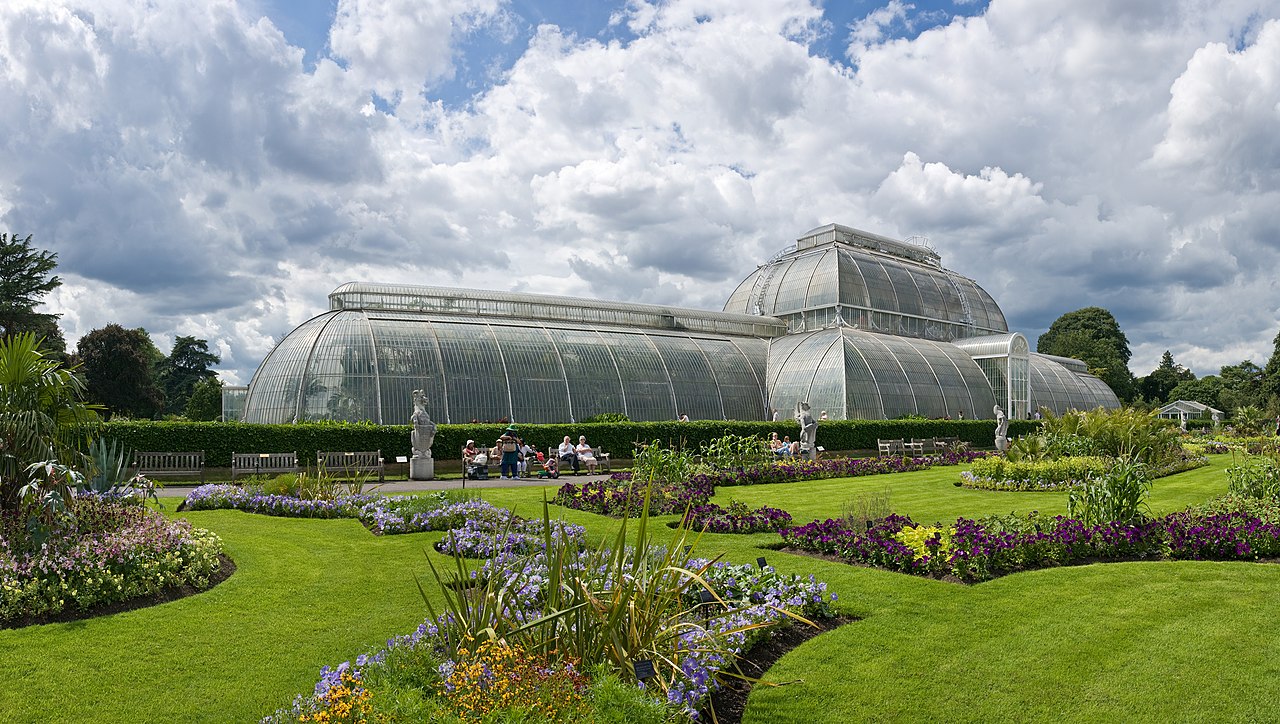
London summer runs from June through August — long days (sunset past 9pm in June), warm weather, outdoor theatre, open-air cinema, and every major attraction running at full capacity. This is also peak crowd season. Here's what makes summer London genuinely exceptional, and what's better left for quieter months.
What's uniquely good in summer
The parks — genuinely extraordinary in June–July
London has 3,000 parks and green spaces, and in summer they become the real centre of the city's social life. Hyde Park, Regent's Park, St James's Park, Kensington Gardens, and Greenwich Park are the headline names, but Hampstead Heath, Victoria Park, and Battersea Park are where you'll find Londoners actually spending their Saturday afternoons. The view from Parliament Hill on Hampstead Heath — the full London skyline from north — is better than any observation deck and completely free.
Best for picnics: Regent's Park (adjacent to the Primrose Hill view). Best for swimming: Hampstead Ponds (three bathing ponds, mixed/men's/women's, from £2). Best for evening concerts: Hyde Park (the BST Hyde Park festival runs through July, free common areas if you're not attending the paid shows).
Thames river cruises — the best way to see London in summer
A Thames river experience becomes significantly better when you don't need to wear a coat. The hop-on hop-off Thames Clipper is practical; the sightseeing cruises with commentary give you the full city panorama between Tower Bridge and Westminster. In summer, the evening cruise options (sunset on the water looking back at the skyline) are worth planning around specifically.
Outdoor theatre and opera
Shakespeare's Globe main season runs May–October — the open-air theatre on the South Bank performs Shakespeare under the London sky, with £5 standing groundling tickets the best-value theatre in the city. Evening performances in June and July are atmospheric in a way that's hard to replicate indoors.
Open Air Theatre, Regent's Park has run outdoor productions since 1932 — a proper West End production in a garden setting. Past summers have included Oklahoma!, The Tempest, and A Midsummer Night's Dream in their natural outdoor context. Tickets from £25; book at openairtheatre.com. Blankets can be hired; food and drink served at the venue.
Opera Holland Park runs July–August in the ruins of Holland House in Kensington — a genuinely remarkable setting for opera, more intimate than the main companies.
Rooftop bars — actually worth it in June–August
London's rooftop bars operate year-round, but the summer months are when they make sense. The best options:
- Madison (near St Paul's) — terrace with direct views of the Cathedral dome
- Sky Garden (Walkie Talkie building, Fenchurch Street) — free but requires advance booking
- Frank's Café (Peckham, open summers only) — cult status, best views of the City from south London
- Aqua Nueva / Aqua Kyoto (Regent Street) — roof terrace open from April, excellent cocktails
- Roof at the Tate Modern (Level 10) — free access, best panorama on the South Bank
Outdoor markets at their best
Borough Market (Monday–Saturday) is always good, but summer weekends are when the outdoor section fills and the atmosphere reaches its peak. Portobello Road market (Saturday) is best from May–September. Columbia Road Flower Market (Sunday, 8am–3pm) fills an entire street in Bethnal Green with flowers and plants — arrive early. The Southbank Book Market under Waterloo Bridge runs year-round but is particularly pleasant in summer.
Events worth planning around
Wimbledon (late June – early July)
The Championships run for two weeks in late June and early July. You can queue on the day for grounds access from around £25 — the queue is real (thousands arrive before 6am for popular days) but it genuinely works. Alternatively, watch from the public screens on Wimbledon Hill or, for the best free option, watch in Hyde Park if the BBC is screening outdoor Wimbledon coverage (check ahead — not every year). Centre Court and Court 1 require a ballot or secondary market tickets (expensive and not guaranteed legitimate).
Notting Hill Carnival (August bank holiday weekend)
Europe's largest street festival, running across two days on the Notting Hill/Ladbroke Grove/Portobello Road streets. Sunday is the children's day; Monday is the main parade. Attendance runs to over a million over the weekend. Free entry; the crowd is dense on the main parade route. The food and music soundsystems outside the parade routes are often better than the procession itself. Transport: Central line is the most reliable (Notting Hill Gate or Ladbroke Grove).
British Summertime (BST) Hyde Park (July)
Large-scale outdoor concerts across several weekends in July in Hyde Park's Great Oak stage. Past headliners have included Taylor Swift, the Rolling Stones, Elton John, and Adele. Tickets required for concerts; the surrounding park and common areas are free on concert days (you can hear the music without a ticket).
BBC Proms (July–September)
The world's largest classical music festival runs at the Royal Albert Hall July through September. Promenade tickets (standing in the arena) cost £8 — the best value in classical music. Every concert is broadcast live on BBC Radio 3. The Last Night of the Proms is a national event. Arena queue forms from 7am on day of concert.
What to know before you go in summer
The crowds
July and August are the busiest months at every major London attraction. The Tower of London, Buckingham Palace area, and South Bank see queues that don't exist in any other season. The practical response: arrive at opening time (not mid-morning), book tickets in advance for everything that offers advance booking, and avoid the South Bank between noon and 5pm on weekends — the most crowded single stretch of walkway in the city.
The heat
London heatwaves above 30°C (86°F) are increasingly common in July and August. Most London Tube lines, older buses, and Victorian buildings have no air conditioning. The Tube on hot days can reach 40°C in the carriages — carry water, avoid rush hour, and consider walking between central London destinations where the distance is under 25 minutes. The Elizabeth line (opened 2022) is air-conditioned and a relief.
Book these in advance for summer
- Tower of London — book online; the ticket desk queue can run 45–60 minutes in August
- Harry Potter Studio Tour — books out weeks ahead in July–August
- Sky Garden — slots release 3 weeks ahead and go same day
- Shakespeare's Globe — popular summer evening slots sell out
- Afternoon tea venues — Claridge's and The Savoy typically book 2+ weeks ahead
Book summer London experiences in advance
Summer is peak season — popular tour slots and tickets sell out significantly faster than other times of year. Browse GetYourGuide for availability across all major London tours and attractions.
Summer in London: Frequently Asked Questions
June is the best balance — long daylight hours (sunset around 9:15pm), Hyde Park and the royal parks at their best, outdoor theatre and concerts running, and slightly fewer tourists than July–August. July and August have the warmest weather but the most crowds at major attractions. The last two weeks of August (school summer holidays ending) are the busiest single fortnight of the year.
London summers are warmer and drier than their reputation suggests. June through August typically sees 40–50mm of rain per month — similar to New York or Paris in summer. Rain tends to come in short showers rather than all-day downpours. The bigger surprise for most visitors is how hot London can get: heatwaves above 35°C (95°F) are increasingly common in July and August, and central London has almost no air conditioning in public spaces or older buildings.
Hyde Park and the Royal Parks host free events throughout summer. The Proms at the Royal Albert Hall run July–September with some free outdoor screening events at Hyde Park. Southbank Centre runs outdoor programming through the Summer Festival. Notting Hill Carnival (late August bank holiday weekend) is free. Greenwich and Canary Wharf host free outdoor music. BBC Music Introducing plays free outdoor shows. Check Time Out London's free events section for current listings.
The public queue for Wimbledon exists — you can queue on the day and gain entry for grounds passes (no Centre Court access) from around £15–27 depending on the day. Centre Court and Court 1 tickets require a ballot (apply the previous autumn at wimbledon.com). Courts 2–19 can be accessed with grounds passes and offer very close-up tennis viewing without the ballot. The queue can reach 5,000+ people on peak days — arrive by 6am for the best chance during the second week.