London on a Budget: What's Free and What's Worth Paying For
London is famously expensive. But it's also home to some of the best free attractions in the world — free as in genuinely free, not "free but you'll feel bad not donating." Here's how to get the most out of a London visit without spending more than you need to.
The free tier is genuinely excellent
Start here: London's national museums are free by law. Not subsidised-but-expensive, not "free if you book ahead" — actually free.
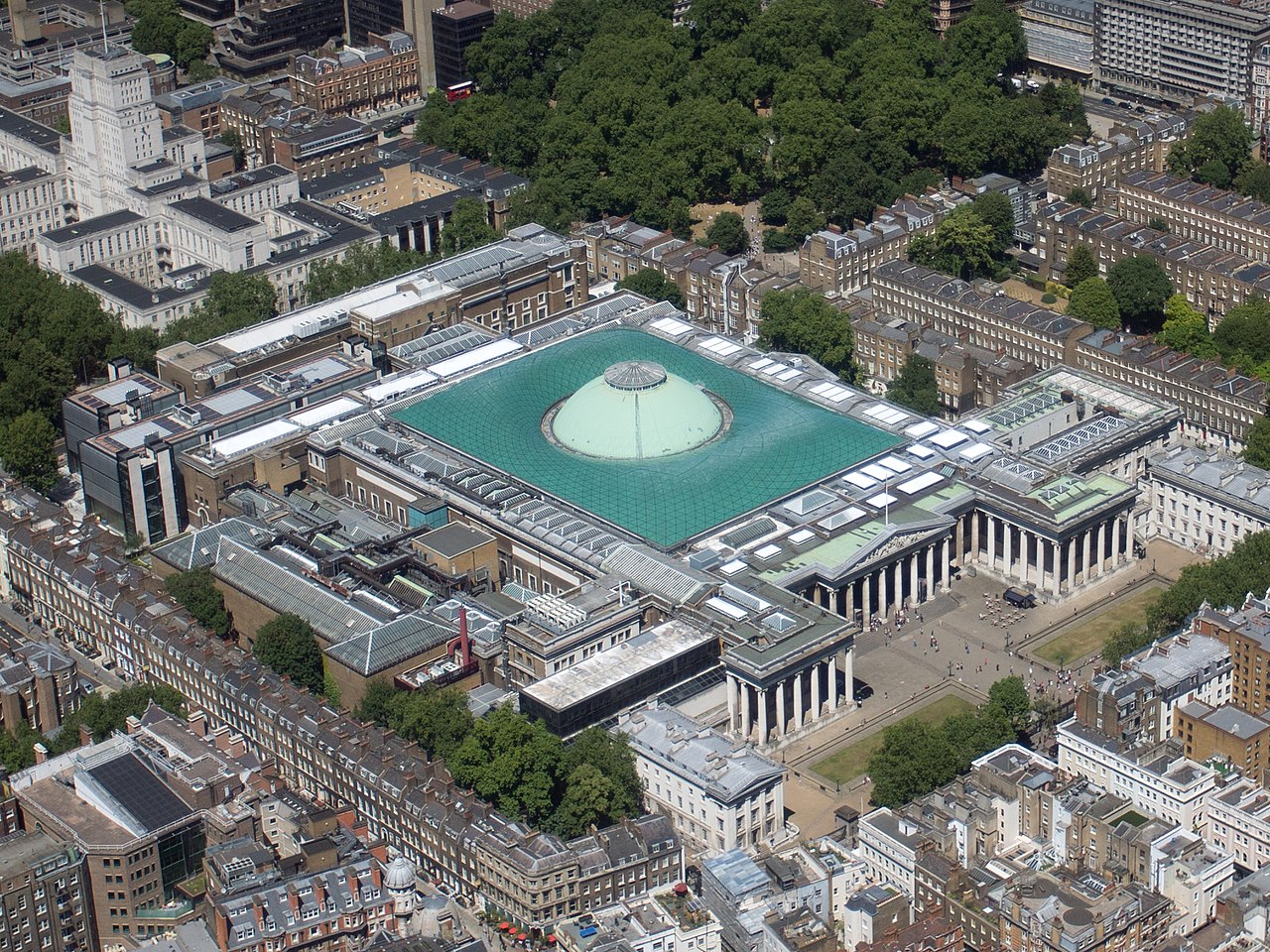
- British Museum — Rosetta Stone, Egyptian mummies, the Elgin Marbles, the Sutton Hoo helmet. One of the greatest museums on earth. Free.
- Natural History Museum — Blue whale skeleton, dinosaur gallery, Darwin Centre. Spectacular building and collection. Free.
- Science Museum — Apollo 10 command module, Stephenson's Rocket, the History of Medicine. Free.
- Victoria and Albert Museum — World's largest decorative arts and design museum. Fashion, ceramics, photography, architecture. Free.
- Tate Modern — World-class modern art in a stunning converted power station on the South Bank. Free.
- National Gallery — Rembrandt, da Vinci, Monet, Turner, Van Gogh. Trafalgar Square. Free.
- National Portrait Gallery — Reopened 2023 after major renovation. Free.
- Sky Garden — 155m garden-with-a-view on top of 20 Fenchurch Street. Pre-book (still free) at skygarden.london.
Free London without the museums
The South Bank walk: Westminster Bridge to Tower Bridge via the south bank of the Thames — roughly 2.5 miles. Takes in the London Eye, the Tate Modern, Shakespeare's Globe, Borough Market, and Tower Bridge. Free and one of the most enjoyable hours in London.
The Royal Parks: Hyde Park (350 acres), Regent's Park (410 acres with a free open-air theatre in summer), Greenwich Park (180 acres with views across the city), and St James's Park (opposite Buckingham Palace — watch the pelicans). All free; benches everywhere.
Changing of the Guard: Buckingham Palace, approximately 11am on alternate days (daily in summer). Crowds are severe but the ceremony is free. Arrive 30 minutes early for a clear view.
Borough Market: One of the world's great food markets, operating on London Bridge since 1014. Free to walk through; budget £10–15 for tastings and lunch. Best on Thursdays and Fridays.
Architecture walks: The City of London (the old square mile) contains some of the most extraordinary buildings in Europe packed into a tiny area — the Lloyd's building, the Gherkin, the Leadenhall Market, Sir John Soane's Museum. All free to walk around and most to enter.
What's worth paying for
Not everything in London is worth skipping. These are the paid experiences that consistently earn their price:
- Tower of London (£30 adult) — The Crown Jewels alone justify the ticket. Book online to save queuing.
- A guided walking tour (from £15) — The context a good guide provides makes the free things much better. Do one on day one.
- A Thames cruise (from £15) — The city looks entirely different from the water, and the historical commentary is genuinely good.
Best budget option: a walking tour
A guided highlights walking tour on your first morning (typically 2–3 hours, from £15) pays for itself by helping you understand which free things to prioritise and in what order. Most include a Thames riverside walk.
Eating cheaply in London
Food is where London's budget visitors overspend. Sit-down restaurant meals for two in central London rarely come in under £60. Alternatives that are often better:
- Borough Market — £8–12 for a genuinely excellent lunch from market stalls.
- Pret a Manger, Leon, Itsu — Good-quality grab-and-go chains available everywhere.
- M&S Simply Food or Waitrose — Better supermarkets with good ready-meal sections for picnic lunches. Buy in the morning and eat in a park.
- Chinatown (Gerrard Street) — Reliable, fast, cheap dim sum, ramen, and Cantonese. Better than most of the tourist-facing restaurant streets nearby.
- Brick Lane — Bengali and South Asian food; good value and better quality than the centre. Best at weekday lunchtimes.
London on a Budget: Frequently Asked Questions
Yes — more than most major European capitals. London's best museums (British Museum, Natural History Museum, Science Museum, V&A, Tate Modern) are all free. The South Bank, most of the royal parks, and many markets cost nothing. A budget day visiting two free museums, Borough Market for lunch, and a riverside walk costs under £30 per person including tube travel.
Walk whenever possible — central London is smaller than it appears on the tube map. For tube and bus travel, use a contactless payment card or Oyster card rather than paper tickets. The daily cap (around £8.10 for zones 1–2 in 2025) means you can make as many journeys as you like from mid-morning without paying more. Avoid taxis; use the tube, bus, or river bus instead.
A genuinely frugal day (free museums, street food lunch, picnic dinner from a supermarket, one tube journey) can cost under £20. A moderate budget (one paid attraction, two café meals, tube travel) runs £60–80. A comfortable tourist day (two paid attractions, restaurant lunch, sit-down dinner, travel) costs £120–150. London's biggest cost isn't attractions — it's food and drink.
London is typically more expensive than both, particularly for eating out and accommodation. However, London's free museum collection is more extensive than either city's. A visitor who uses the free museums, cooks in their accommodation, and uses public transport can visit London for less than a visitor in Paris who pays for most attractions.