Kew Gardens: The Complete Visitor Guide
- Free cancellation up to 24 hours ahead
- Reserve now, pay later
- Wheelchair accessible
A UNESCO World Heritage Site and the world's most important botanical garden — not hyperbole, just what it is. The Victorian glasshouses are extraordinary engineering as much as garden spaces. Worth a visit in any season, but spring is the most spectacular. Give it a proper half day; it will reward the time.
Highlights
- Explore London's largest UNESCO World Heritage Site
- Step into the tropical rainforest inside the Victorian Palm House
- Walk the treetop walkway, 18 metres above the ground
- See the Chilean Wine Palm, the world's largest indoor plant, in the Temperate House
What to see at Kew Gardens
The Palm House
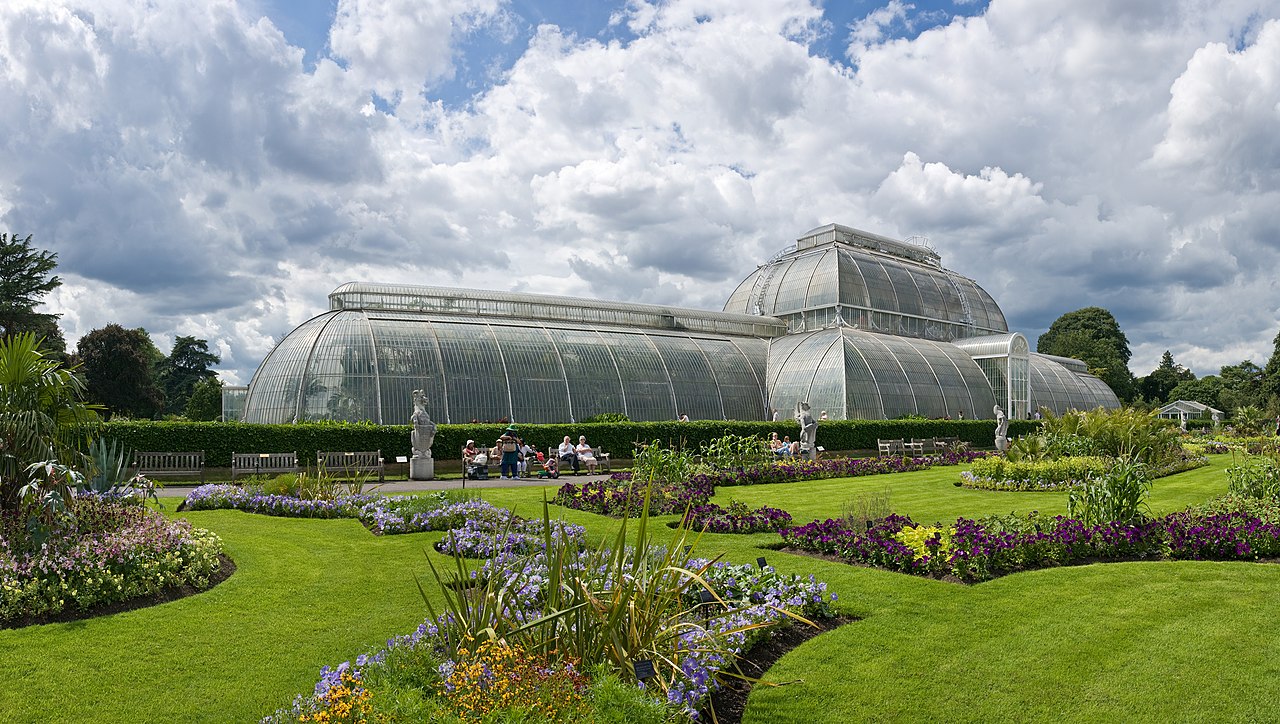
The most famous structure at Kew — a curvilinear iron and glass Victorian greenhouse from 1848, housing the world's most important collection of tropical plants. The architecture is astonishing: curved glass panels supported by wrought-iron ribs, still structurally unchanged from the original construction. Walk the upper galleries for views across the canopy and the ornamental lake beyond.
The Temperate House
The world's largest Victorian glasshouse, reopened after a five-year restoration in 2018. It houses the Chilean Wine Palm — a 166-year-old tree that is the world's largest indoor plant. The architectural restoration is extraordinary; every pane of glass, every cast-iron column, rebuilt to original specification. Worth visiting for the building alone.
The Treetop Walkway
A 200-metre steel walkway rising 18 metres above the ground through the oak tree canopy. Not for those with vertigo — the walkway sways slightly in the wind — but the views across the gardens and toward Richmond Park are worth the climb. Usually quieter than the glasshouses.
The Woodland Garden
One of Kew's most beautiful areas, particularly in March–April when bluebells carpet the ground beneath the oak woodland. Less visited than the formal gardens; a good morning walk before the day's main crowds arrive.
The Japanese Landscape Garden
Designed in the 1990s around an original 1910 pagoda, with raked gravel, a minka (traditional farmhouse), and exceptional autumn colour from the Japanese maples. The tea house serves green tea and Japanese-inspired cakes.
Timed tickets often sell out on spring weekends — book ahead if you're visiting during bluebell or blossom season.
From £22Practical information
Getting there: Kew Gardens station (District line and London Overground) exits directly opposite the Victoria Gate. From Westminster, the District line takes about 40 minutes. Alternatively, the A316 road if driving (limited parking on Brentford Gate; arrive early).
Food: The Orangery restaurant is the main dining option — formal sit-down lunch in a beautiful 18th-century building. The Pavilion Bar & Grill is more casual. The White Peaks café (near the Treetop Walkway) is the quietest option. All are significantly cheaper than central London equivalents.
Family: Children under 17 are free. The Climbers and Creepers play area is designed for young children. The on-site play areas, wide paths, and open lawns make Kew one of the most family-friendly attractions in London.
Kew Gardens: Frequently Asked Questions
Adult tickets cost £22 online (slightly more on the day). Under-17s are free. Members enter free. The ticket includes all glasshouses and gardens — there are no additional charges for anything inside the gates.
Timed entry tickets are required and are often sold out online, particularly on weekends and during spring (the peak season for blossom). Book at least a week in advance in spring. Weekday visits are easier to book at short notice.
A half day (4 hours) covers the main highlights — the Palm House, the Temperate House, the Treetop Walkway, and a section of the gardens. A full day allows you to explore more thoroughly and have a proper lunch. The gardens are 300 acres, so you will not see everything even in a full day.
Spring (March–May) is the most beautiful season — bluebells in the woodland garden, cherry blossom, and the azalea garden. Summer is lovely but busier. Autumn brings the Japanese garden's maple colours. Winter has fewer people and a more serene atmosphere, plus the Orchid Festival in the Princess of Wales Conservatory (February).
Kew Gardens Overground station (District line and London Overground) is a 2-minute walk from the Victoria Gate entrance. From central London (Bank, London Bridge) allow about 40 minutes on the District line. Alternatively, a Thames river cruise from Westminster to Kew Pier runs on certain days in season.