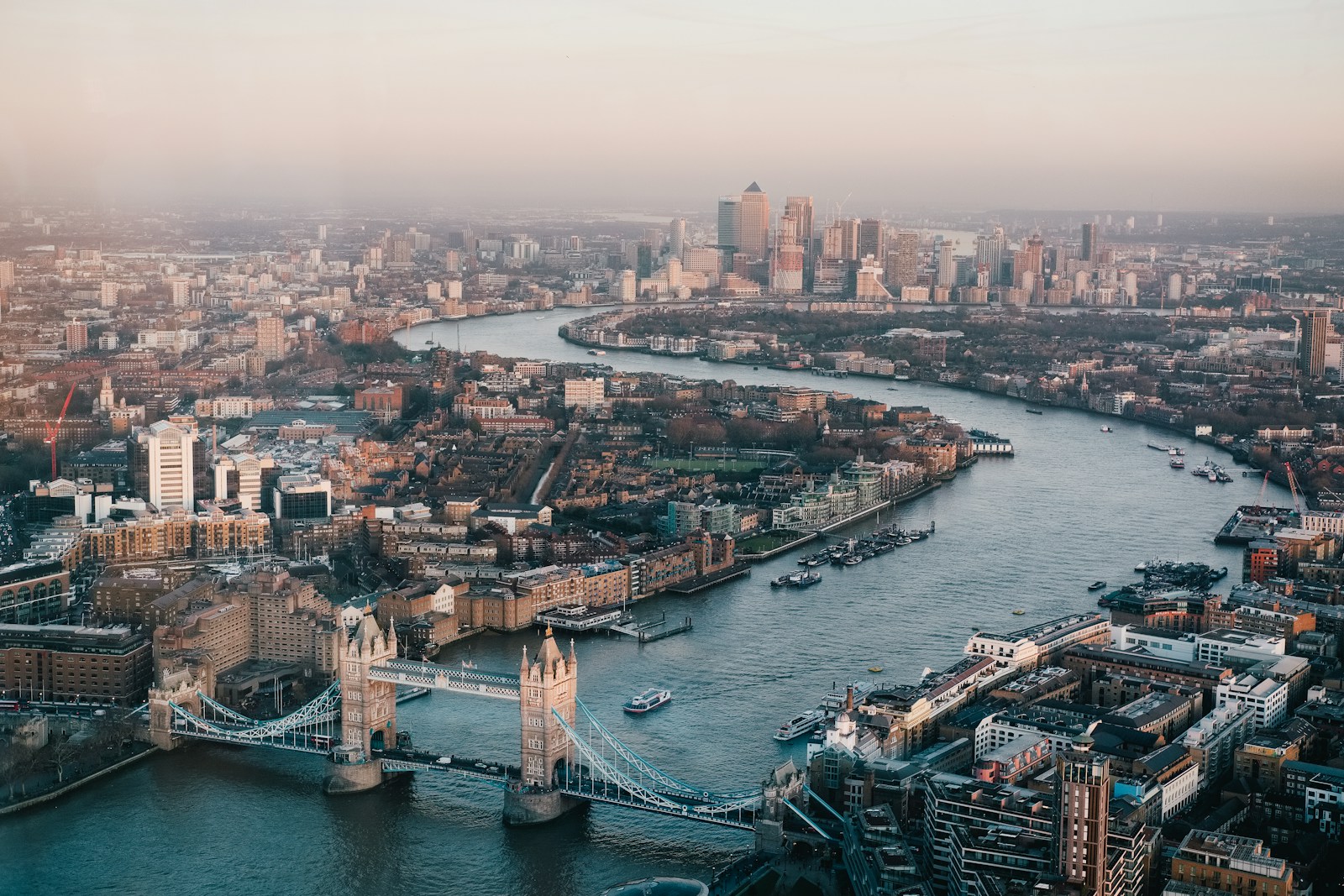
The Best Things To Do In London
London's unmissable experiences, honest picks, no filler.
London rewards the traveller who goes beyond the obvious. Yes, the Tower of London is magnificent — but the city's real magic happens in its markets, its free world-class museums, and its impossibly varied neighbourhoods, each with its own character and crowd.
This guide skips the tourist traps and takes you straight to the experiences that make Londoners proud. Whether you have 24 hours or two weeks, here's exactly where to spend your time.
Plan Your London Trip
Jump straight to what matters for your visit.
The 20 Best Things To Do In London
Ranked by experience, not by how many travel writers have already written about them.
 Luke Massey & the Greater London National Park City Initiative / CC BY 2.0
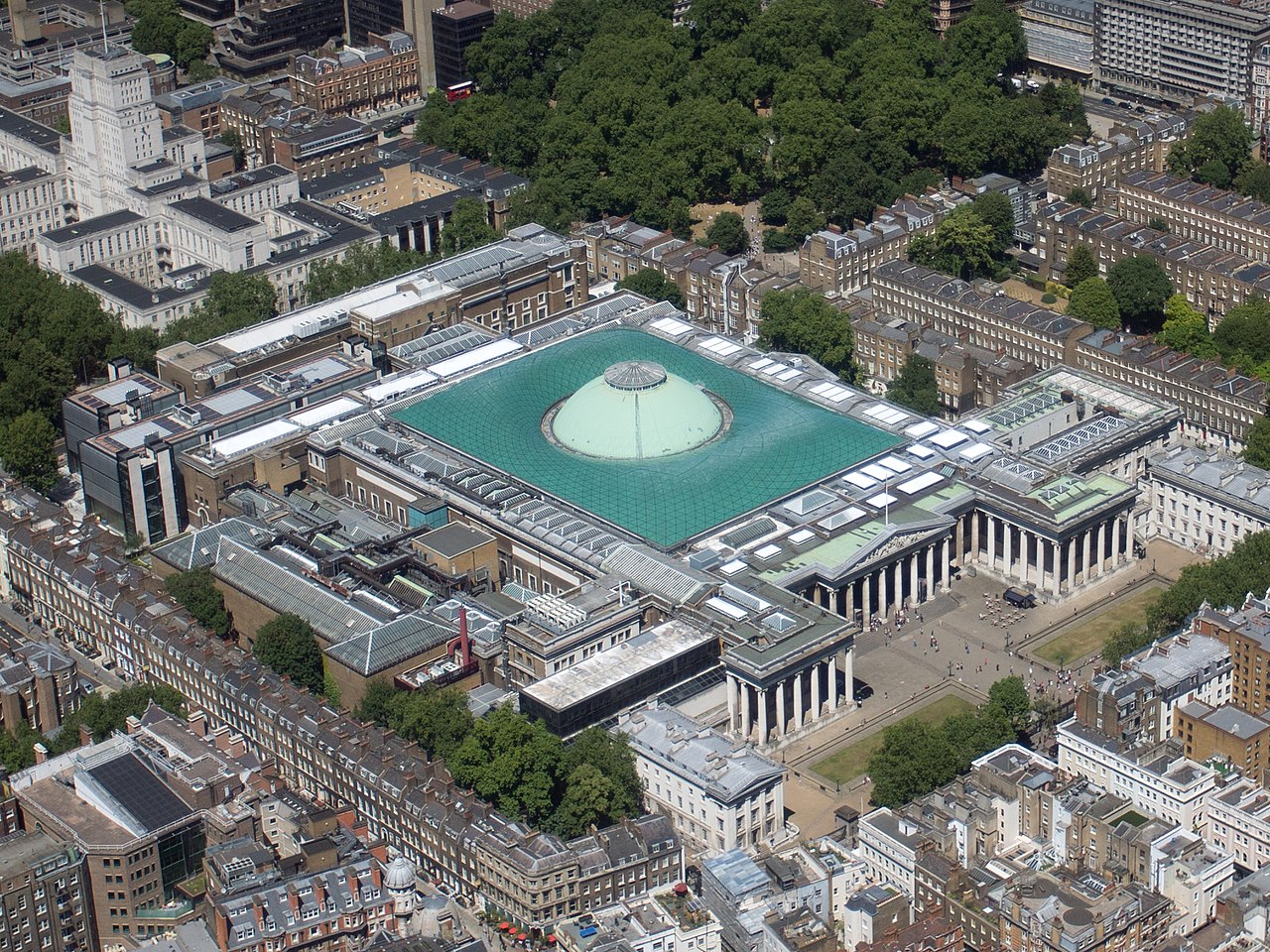
 British Museum
Eight million objects. Two million years of human history. The Rosetta Stone, the Elgin Marbles, the Lewis Chessmen — and it costs absolutely nothing to walk in.
 Øyvind Holmstad / CC BY-SA 4.0
 Borough Market
London's greatest food market has traded on this site since 1014. Go Thursday or Friday — Saturday belongs to the tourists. Arrive hungry.
 Duncan (Nottingham, UK) / CC BY 2.0
 Tower of London
A thousand years of palace, prison, and place of execution. The Crown Jewels are astonishing up close, and the Yeoman Warder tours are funnier than you expect.
 Acabashi / CC BY-SA 4.0
 Tate Modern
Modern and contemporary art inside a decommissioned power station on the Thames. The building is as impressive as the collection. Special exhibitions cost extra.
 Txllxt TxllxT / CC BY-SA 4.0
 South Bank Walk
Walk from Westminster Bridge to Tower Bridge along the river. Every major London landmark, fresh air, street food, and zero entry fees. The best free afternoon in the city.
 Julian Herzog / CC BY 4.0
 Natural History Museum
The dinosaur skeletons alone are worth the trip. The blue whale in the Hintze Hall is one of London's great sights. Free, stunning Victorian architecture, and never dull.
 David Castor / Public domain
 Victoria & Albert Museum
The world's greatest museum of design and decorative arts. Fashion, furniture, ceramics, jewellery, and photography across 145 galleries. Budget at least three hours.
 Julian Herzog / CC BY 4.0
 Buckingham Palace
See the exterior and the Changing of the Guard for free — arrive 30 minutes early for a good spot. The State Rooms are open to visitors July to September.
 Khamtran / CC BY-SA 3.0
 London Eye
Yes, it's touristy. But 135 metres above the Thames, with the whole city spread out around you, it earns every penny. Book the first morning slot for the clearest views.
 Diliff / CC BY-SA 3.0
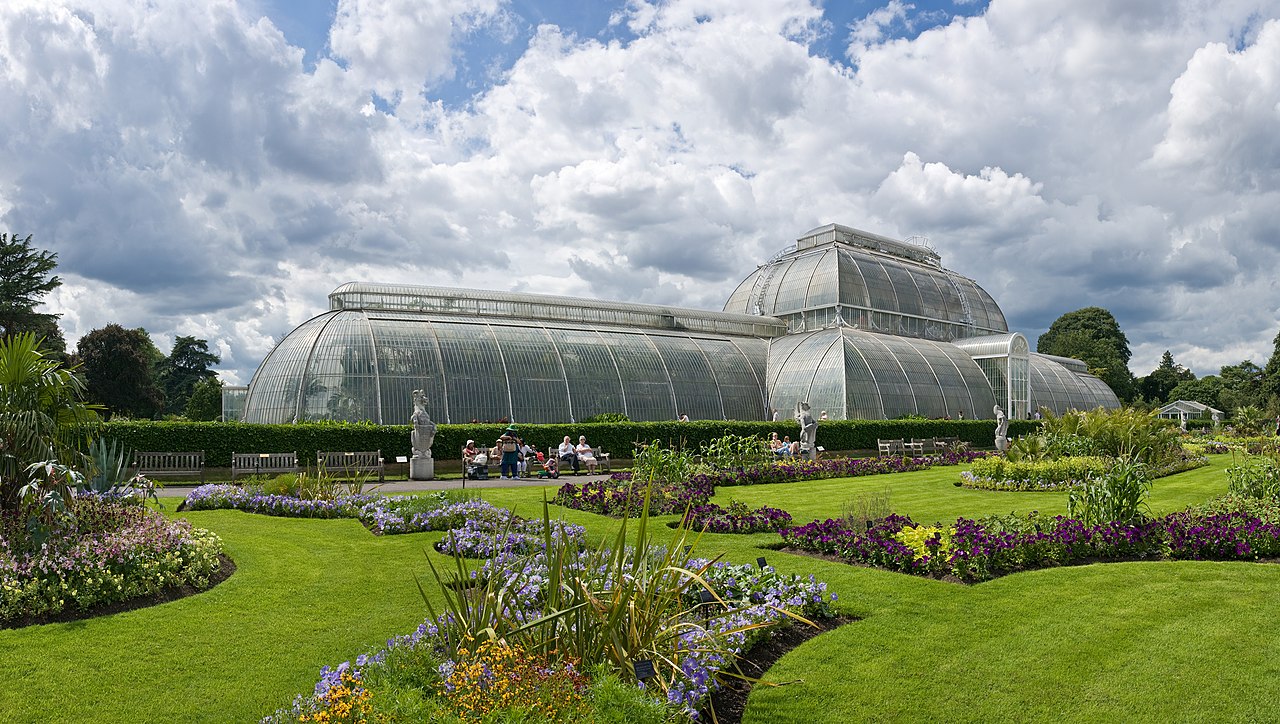
 Kew Gardens
The world's most important botanical garden. 300 acres of stunning landscape — the glasshouses alone (including the Great Pagoda) are extraordinary. Allow half a day minimum.
 Carlos Delgado / CC BY-SA 3.0
 National Gallery
Van Gogh's Sunflowers, Botticelli's Venus, Seurat's Bathers — 2,300 paintings from across seven centuries, on Trafalgar Square, free. One of the world's great art collections.
 Diliff / CC BY-SA 3.0
 Greenwich
Stand on the Prime Meridian, explore the Cutty Sark, wander the market, and climb the hill for one of London's best views. A proper half-day out.
 David / CC BY 2.0
 Portobello Road Market
The world's largest antiques market. Saturday mornings only for the full experience — antiques dealers in the north, street food and vintage clothing as you head south.
 Sarah G Perun / CC BY-SA 4.0
 Hampton Court Palace
Henry VIII's favourite palace, complete with its famous maze, Tudor kitchens, and baroque state apartments. An easy 35 minutes from Waterloo — spectacularly undervisited.
 Jorge Royan / CC BY-SA 3.0
 Columbia Road Flower Market
Sunday mornings only, 8am–3pm. The most photogenic street in East London, packed with flowers, independent shops, and the best coffee you'll find at a market. Go early.
 Shadowssettle / CC BY-SA 4.0
 Science Museum
Stephenson's Rocket, the Apollo 10 command module, Crick and Watson's original DNA model. Free and endlessly fascinating for curious adults as much as kids.
 Colin / CC BY-SA 4.0
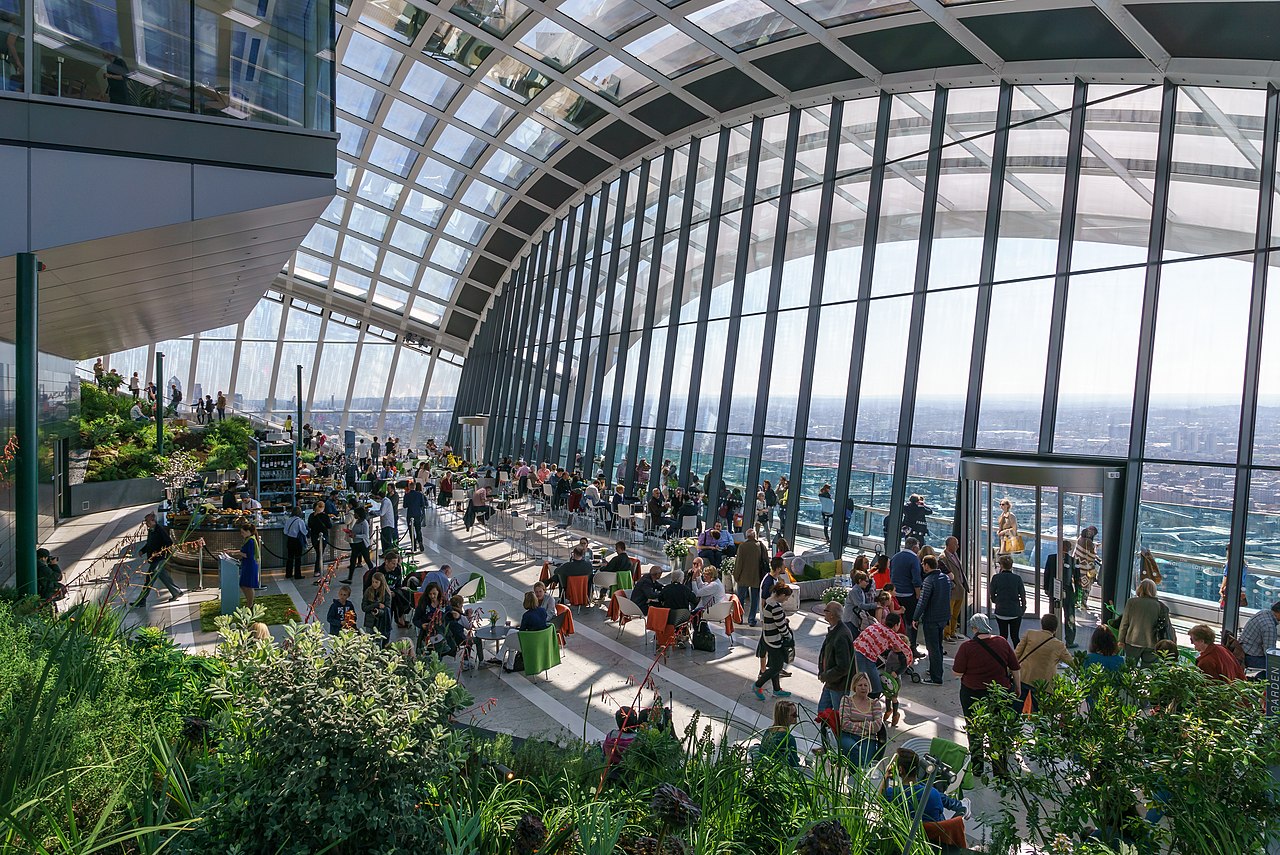
 Sky Garden
A public garden on the 35th floor of a City skyscraper, free to visit — but you must book in advance on their website. Outstanding 360° views, genuinely surprising.
 S. Perquin / CC BY-SA 4.0
 Warner Bros. Harry Potter Studio Tour
Real sets, real props, real costumes from the films. Butterbeer in the Backlot. 20 miles from central London — worth the journey if you're any kind of fan.
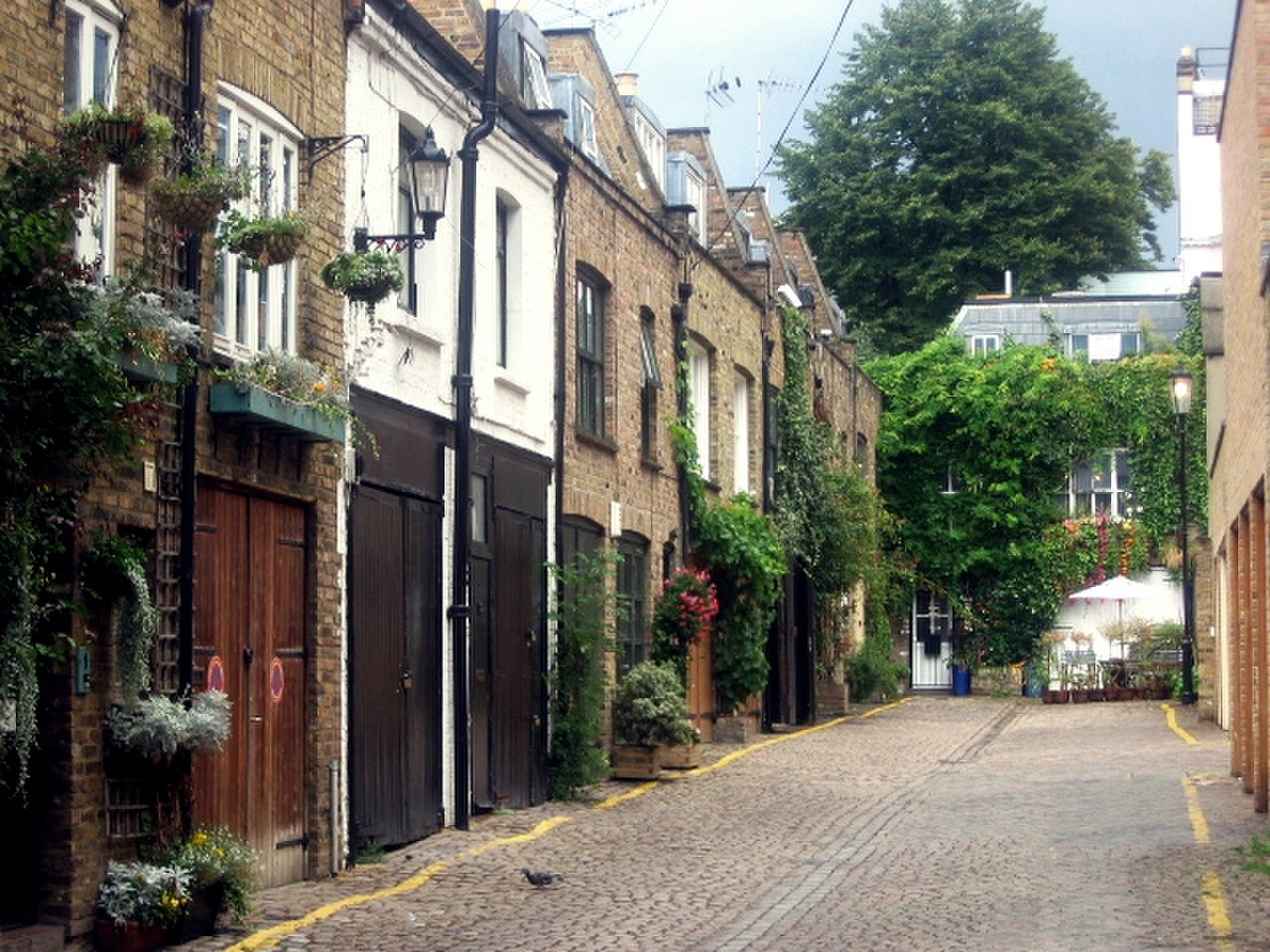 Urban / CC BY-SA 2.5
 Notting Hill
Pastel terraces, independent bookshops, excellent cafés, and Portobello Road. Best on a Saturday morning. The film made it famous; the neighbourhood earns the reputation.
 Julian Herzog / CC BY 4.0
 National Theatre
One of the world's great theatre companies, on the South Bank. Day seats from £15 go on sale at 9am — some of the best value cultural experiences anywhere in the world.
Find What You're Looking For
Ready-Made London Itineraries
Stop planning, start exploring. Every hour accounted for.
 1 Day
1 Day The Perfect 1-Day London Itinerary
See the highlights without the stress. One day, expertly ordered.
- Westminster & Big Ben
- Tate Modern
- Borough Market lunch
- Tower of London
 2 Days
 2 Days In London: The Essential Itinerary
The full London experience — history, culture, food, and a proper pub.
- British Museum
- Notting Hill
- South Bank walk
- Greenwich
 3 Days
 3 Days In London: Go Deeper
Time to explore a neighbourhood, take a day trip, and see some theatre.
- Kew Gardens
- Day trip to Bath or Oxford
- West End show
- Shoreditch
Where Should You Stay In London?
The right neighbourhood makes a huge difference. We've picked the best areas for every type of trip — with honest hotel picks at every price point.
These London experiences regularly sell out, sometimes weeks in advance. Don't leave them until you arrive:
- Tower of London — skip-the-queue tickets save 30–45 minutes
- Harry Potter Studio Tour — books out 6–8 weeks ahead in peak season
- Kew Gardens — timed entry tickets required, often sold out online
- West End shows — popular productions sell out months ahead; day seats from £15 at 9am for last-minute
- A UK eSIM — set this up on wifi before you fly; it activates the moment you land, see our eSIM guide
London FAQs
London has an extraordinary number of free attractions. The British Museum, Natural History Museum, Victoria & Albert Museum, Science Museum, National Gallery, Tate Modern, and Tate Britain are all completely free. Add in the South Bank walk, Hyde Park, Hampstead Heath, the Changing of the Guard, and Columbia Road Flower Market and you could easily spend a week in London without paying a single entry fee.
Two to three days is enough to hit the major highlights without rushing. With five to seven days you can go deeper — explore different neighbourhoods, take a day trip, and see some live theatre. London is genuinely inexhaustible; locals who have lived here for decades still discover new things. That said, a tight one-day itinerary is absolutely doable if you plan it well.
London is known for its world-class museums (mostly free), its historic landmarks (Tower of London, Buckingham Palace, Houses of Parliament), its extraordinary diversity of food and culture, its theatre scene (the West End rivals Broadway), its royal history, and its parks. It's also one of the world's great financial and creative centres — a city that somehow manages to feel both ancient and relentlessly modern.
May to September offers the best weather — long days, outdoor events, and the city at its most vibrant. July and August are peak tourist season so expect larger crowds at major attractions. October and November are quieter with good autumn light. December is magical for Christmas markets and lights, though cold. January and February are the quietest months — hotel prices drop significantly and queues disappear.
London can be expensive, but it doesn't have to be. Most of the best museums are free, parks are free, and markets are free to browse. Where costs add up are transport (get an Oyster card), accommodation (book early, consider Zones 2–3 hotels), and restaurants (lunch is much cheaper than dinner). A comfortable mid-range day budget — including one paid attraction, meals, and transport — is around £80–120 per person.