3 Days In London: Go Deeper

Three days is the right amount of time for London. Not because you'll see everything — you won't, and you shouldn't try — but because three days gives you enough space to move at a human pace. You can do the landmarks properly rather than at a sprint, eat in the places worth eating, and spend Day 3 in the parts of the city that feel more like a neighbourhood than a tourism product. This itinerary covers Classic London on Day 1, the East and the River on Day 2, and on Day 3 takes you into the areas that give the city its actual character: Notting Hill, Kensington, and Hampstead, with an optional day trip if London has already been ticked off your list.
- Tower of London (Day 2) — book tickets online; saves money vs. door price and skips the queue.
- British Museum (Day 1) — free timed-entry slot via their website; takes 2 minutes and guarantees entry.
- Day 1 walking tour — book a city highlights walk for the morning; best way to orient yourself fast.
- National Theatre (Day 3 evening) — day seats go online at 9am on the day; set an alarm.
- UK eSIM — install it on wifi before you fly (how to set one up); it switches on the moment you land, no kiosk queue.
Day 1: Classic London
Morning: British Museum (9am–11:30am)
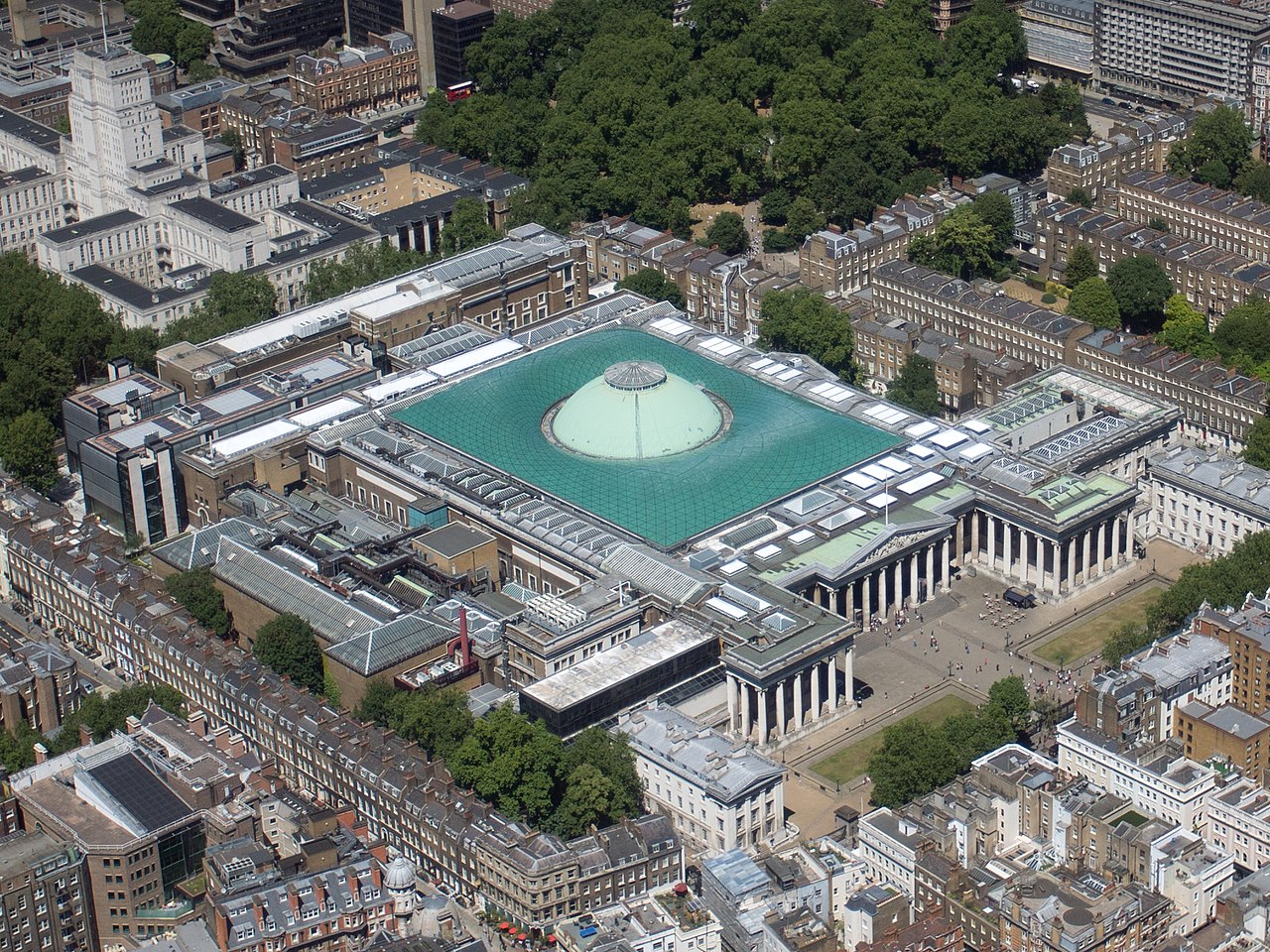
Start at the British Museum when it opens. The collection is one of the most significant on earth — the permanent exhibition spans 2 million years of human history across 80 galleries. Give yourself 90 minutes and hit the highlights: the Rosetta Stone (Room 4), which was discovered in 1799 and became the key to deciphering Egyptian hieroglyphics; the Elgin Marbles (Room 18), sculptures from the Parthenon in Athens, here since 1832 and the subject of an ongoing diplomatic dispute with Greece; the Sutton Hoo Helmet (Room 63), an Anglo-Saxon warrior's helmet found in a Suffolk burial mound in 1939 that rewrote the history of early medieval England. Take time in the Great Court — the glass-roofed courtyard designed by Norman Foster, one of the best indoor spaces in London. The circular Reading Room in the centre is where Karl Marx wrote Das Kapital.
Walk south through Bloomsbury to Covent Garden via Museum Street and Long Acre. Get a coffee from Monmouth Coffee on Monmouth Street and walk through the piazza and down the Strand. A guided walking tour in this area adds the context that self-guided maps can't — book a city highlights walk if you haven't already.

Lunch: Rule's or The Ivy Market Grill (12:30pm–2pm)
Rule's on Maiden Lane has been open since 1798 — the oldest restaurant in London. The dining room is all dark wood and Victorian excess, the menu runs to game pies and spotted dick, and the whole experience is irreplaceable. Book well ahead and budget £40–55 per person. If you didn't book: The Ivy Market Grill on Henrietta Street does good brasserie food in a pretty room, usually has space for walk-ins, and comes in at £25–35 per person.
Afternoon: Trafalgar Square, National Gallery & St James's Park (2pm–5:30pm)
Walk down to Trafalgar Square — the geographic heart of London, from which all road distances in the UK are measured. The National Gallery runs along the north side and is free. Ninety minutes here is well spent: find van Gogh's Sunflowers, Vermeer's A Young Woman Standing at a Virginal, and Caravaggio's Supper at Emmaus. The Sainsbury Wing has the early Italian Renaissance collection. Don't try to see all 2,300 paintings.

Walk west through St James's Park — London's oldest royal park. The pelicans on the lake have been here since 1664. The view from the bridge across the lake toward Buckingham Palace is one of the most unexpectedly beautiful in the city. Walk through to the Palace exterior, take your photo at the Victoria Memorial (better vantage point than the gates), then cut north through Green Park toward Mayfair.
Evening: Mayfair Drinks, Soho Dinner (6:30pm onwards)
Start the evening in Mayfair. The Connaught Bar on Carlos Place is one of the best bars in the world by any measure — the Connaught Martini is assembled at your table from a silver trolley and the room is a masterclass in Art Deco restraint. Budget £20–25 per cocktail; worth it once. The more democratic option is The Audley on Mount Street: a beautifully preserved Victorian pub with excellent beer.
Dinner in Soho. Bao on Lexington Street (queue, always, but fast); Kiln on Brewer Street (Thai, wood-fire, counter seating, one of London's best); or Bar Italia on Frith Street (open since 1949, coffee and pastries until 5am, a Soho institution) if you've eaten enough and want atmosphere.
Day 2: The East & The River
Morning: Borough Market & Tate Modern (10am–12:30pm)
Get to Borough Market at 10am, before the lunch crowd. It's been trading since 1014 and is still the best food market in London. Plan: Monmouth Coffee, a pastry from Comptoir Gourmand, and a proper look at the cheeses at Neal's Yard Dairy. This is the flagship store — better selection than the Covent Garden branch. If you're going to buy cheese to take home, do it here.

Walk west along the South Bank to Tate Modern. The permanent collection is free; the Level 10 terrace has the best free river view in London.

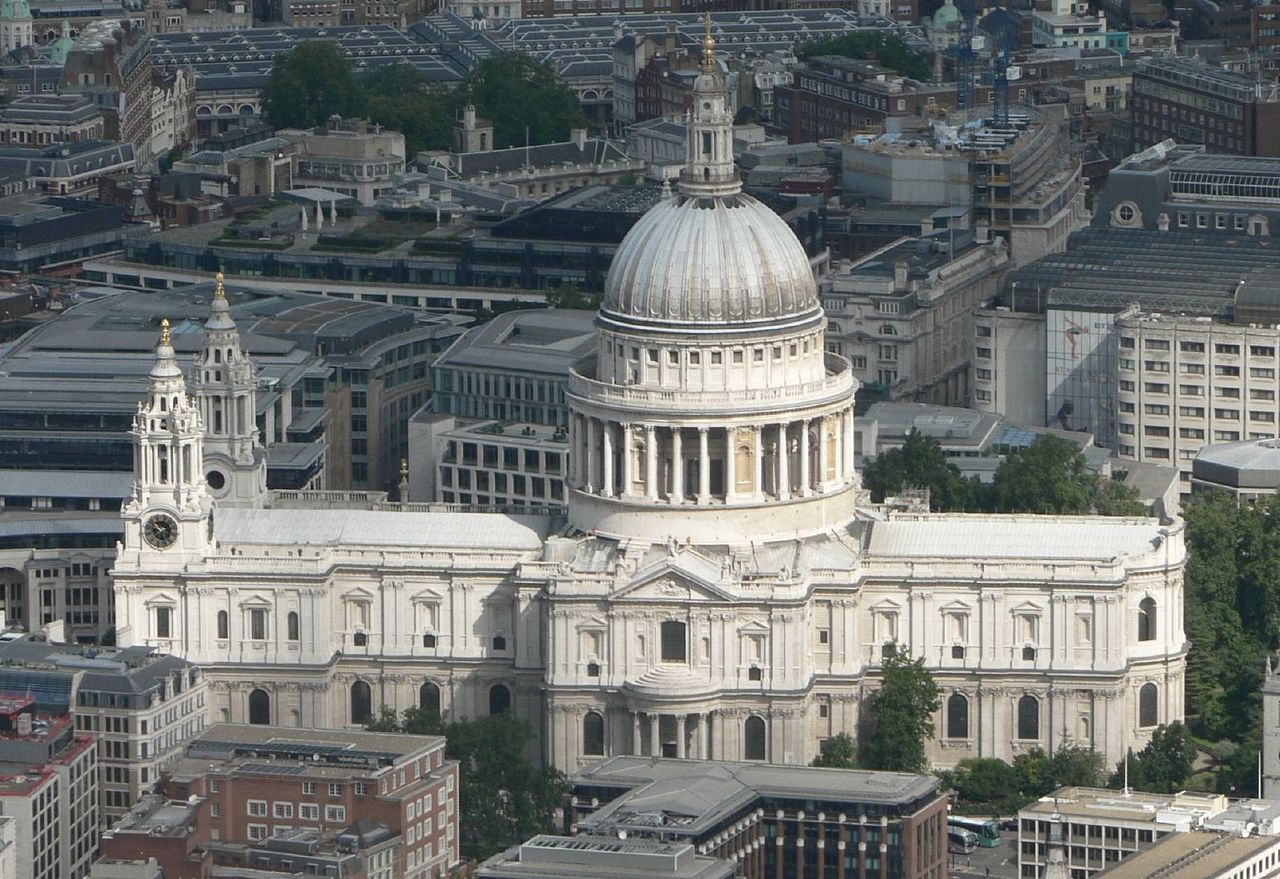
Cross the Millennium Bridge to St Paul's Cathedral — the exterior is free and extraordinary. Wren built it between 1675 and 1710 after the Great Fire destroyed the medieval cathedral on this site. The dome is 365 feet tall. Inside (£20 adult) there's the Whispering Gallery, the Stone Gallery, and the Golden Gallery at the top — the highest point in the City.
Lunch: Padella (12pm — queue early)
Walk back to Padella on Borough High Street. It opens at noon. Queue starts at 11:45am. Go early, join it, and you'll be inside in 15–20 minutes. The pasta is hand-rolled that morning: order the cacio e pepe (£9) and whatever's on the specials board. You'll spend £15–20 and leave very satisfied. This is one of the best-value meals in London.
Afternoon: Tower of London & Tower Bridge (1:30pm–5:30pm)
Book Tower of London tickets in advance (around £29.90 adult). Arrive in time for a Yeoman Warder tour — they depart from the main gate roughly every 30 minutes. The Warders are retired military (minimum 22 years' service), live on-site in the Tower, and give tours that are genuinely entertaining: the kind of dry military humour combined with 1,000 years of genuinely dramatic history that's hard to manufacture. Don't miss the tour.
Go to the Crown Jewels early — the queue builds through the afternoon. The Imperial State Crown contains 2,868 diamonds, 17 sapphires, 11 emeralds, 269 pearls, and 4 rubies. The Koh-i-Noor diamond in Queen Mary's Crown is still claimed by India, Pakistan, Afghanistan, and Iran. The moving walkway in the Jewel House is slow and there's a static viewing area to the side if you want to linger. Spend time in the White Tower (the original 1078 Norman keep): the armour collection is extraordinary and Henry VIII's suits give you an unambiguous measure of the man.

At 5pm, walk five minutes to Tower Bridge and cross it. Free, and beautiful, and the city view from midpoint is one of the best you'll get.
Evening: Shoreditch (7pm onwards)
Head north to Shoreditch. Drinks at Callooh Callay on Rivington Street (cocktails, named after the Lewis Carroll poem, reliably excellent) or The Owl & Pussycat on Redchurch Street (natural wine, stripped-back Victorian pub). Dinner: Brat or Lyle's if you booked ahead (both are among London's best restaurants; both require advance planning). If you didn't book: Dishoom Shoreditch on Boundary Street — no reservations at dinner, but arrive by 6pm to minimise the queue.
Day 3: Neighbourhoods
Day 3 is where London stops being a checklist and starts being a city. Pick the morning that fits your mood, and one of two afternoon options.
Morning: Notting Hill & Portobello Road (9am–12pm)
On Saturdays: get to Portobello Road by 9am for the antiques market. It runs from Notting Hill Gate tube station north, and the best stalls are in the first stretch down to the Westway. Antique silver, vintage clothes, old prints, furniture, ceramics — the quality is genuine, the prices are negotiable. Arrive early; it gets very crowded by 11am.
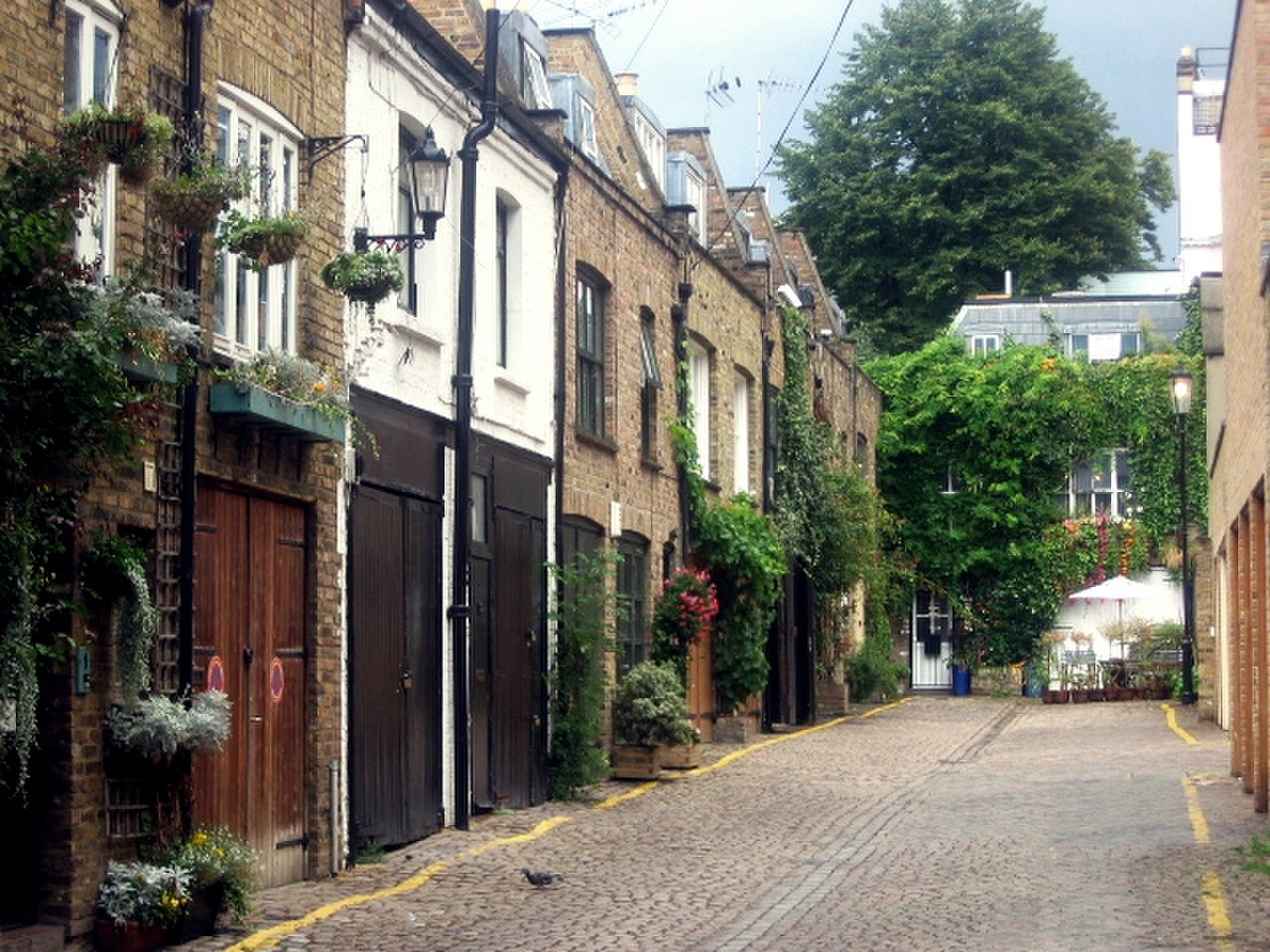
Any day: walk through Notting Hill for the neighbourhood itself. The painted houses of Ladbroke Grove and Pembridge Square are real, not just film props. Get a coffee from Farm Girl on Portobello Road or Coffee Plant further north. Walk through Holland Park (the peacocks are real). Then head east or south toward Kensington.
Late Morning: V&A or Natural History Museum (11am–1pm)
Both are on Cromwell Road in South Kensington, free to enter, and world-class.
The V&A (Victoria and Albert Museum) is the greatest decorative arts museum in the world — 145 galleries spanning 5,000 years of art, craft, and design. The British Galleries, the Cast Courts (enormous plaster casts of famous sculptures including Michelangelo's David, at full size), and the Fashion Gallery are the highlights. Give it 90 minutes.

The Natural History Museum is better if you're visiting with children — the dinosaurs, the Darwin Centre, the blue whale skeleton in the Hintze Hall — but the building alone (Alfred Waterhouse, 1881, Romanesque terracotta) justifies 20 minutes on the exterior even if you don't go in.
Lunch: Dishoom King's Cross or Marylebone High Street (1pm–2:30pm)
Dishoom King's Cross is the grandest of the Dishoom sites, housed in a converted Victorian transit shed behind King's Cross station. Lunch service takes bookings (unlike dinner) — book a table for 1pm the night before. The breakfast and brunch menu runs until 11:45am; from noon it's the full lunch menu. The black dal, the grilled meats, the ruby murgh chicken — all are excellent.
Alternatively: walk up to Marylebone High Street, a village-feel neighbourhood street with excellent independent cafés. Daunt Books here is one of the most beautiful bookshops in London (Edwardian oak gallery interior, organised by country of origin rather than genre). Get lunch at La Fromagerie or pick up provisions from the Saturday farmers' market.
Afternoon Option A: Hampstead Heath (2:30pm–6pm)
Take the Northern line from anywhere central to Hampstead or Belsize Park. Hampstead Heath is 790 acres of ancient woodland, meadows, and ponds on the hills north of the city. Walk up to Parliament Hill — the view south across London from here is unbeatable, the whole city laid out from the Shard to Canary Wharf. Kenwood House on the north side of the Heath is a Robert Adam mansion with a free collection including a Vermeer, a Rembrandt self-portrait, and a Gainsborough. The grounds are spectacular. In summer the ponds are open for swimming (separate, unheated — cold, excellent).

Get a drink at The Spaniards Inn on Spaniards Road, a 16th-century pub on the edge of the Heath with a beer garden that's been there since Dick Turpin allegedly stabled his horse at the inn. It's the real thing.
Afternoon Option B: Day Trip (Oxford or Brighton)
If you've already been to London and the city proper is familiar:
Oxford — 1 hour from Paddington on a fast train. The university colleges (Christ Church, Magdalen, Balliol), the Bodleian Library, the covered market, the Ashmolean Museum. Walk the High Street and Broad Street. Have lunch at The Eagle and Child where Tolkien and C.S. Lewis used to drink. Back to London by 6pm easily. Walk-up trains run frequently.
Brighton — 55 minutes from Victoria (fast service; buy in advance for best fares). The Royal Pavilion (John Nash's extraordinary Indo-Saracenic fantasy palace, 1815–1823), the Lanes (Victorian shopping streets, good vintage and jewellery), the pier, the beach. Fish and chips on the seafront. Trains back are frequent and run late.
Evening: West End Theatre (7:30pm)
With three days, the evening of Day 3 deserves something special. London's theatre scene is genuinely the best in the world — not the Broadway tourist productions, but the full ecosystem of repertory, new writing, and classical performance.
National Theatre on the South Bank: sells day seats online from 9am on the morning of the performance, from £15–20. Set an alarm, go at 9am on the day, and you can see major productions for very little money. The NT also operates a returns queue at the box office from 6pm.

Shakespeare's Globe (May–October): groundling standing tickets are £5, yes, £5. You stand in the open-air yard directly in front of the stage, as Elizabethan audiences did. It's extraordinary. Dress for weather.
If you want a West End musical: Hamilton, The Book of Mormon, and Les Misérables tend to have last-minute returns; tkts in Leicester Square (the real discount booth, not the scam ones around it) sells same-day tickets at up to 50% off from 10am.
A Note on Pace — Why 3 Days Works
The honest thing to say about three days in London is this: the city will defeat you if you let it. It's one of the largest cities in Europe, the Tube is genuinely disorienting the first few times, the distances between things that look close on a map are longer on foot than expected, and the temptation to add one more thing is constant.
Three days works because it gives you permission to go deep rather than wide. On this itinerary, you spend proper time in the British Museum (not just the Rosetta Stone selfie), you eat at Borough Market rather than just photographing it, and you end up in Hampstead or Shoreditch — places where actual Londoners spend their actual time. That's the version of the city worth seeing.
Don't add the Changing of the Guard, Madame Tussauds, and a Thames dinner cruise to this itinerary. Do it instead of half of it, if those things appeal to you. The calendar fills up faster than you think, and tired, rushed tourism is worse than focused, slower tourism every time.
Ready to book? Here's the short list
Where to Stay for a London Long Weekend
Three days works best if your hotel puts you within easy reach of Day 1 and Day 2. Covent Garden and South Bank both work — here's the full breakdown.
3 Days in London: Your Questions Answered
Three days is genuinely enough to feel like you've experienced the city rather than just passed through it. You can cover the major landmarks, eat properly, explore two or three distinct neighbourhoods, and still have time for an afternoon that goes off-script. It's not enough to see everything — but nothing is.
Don't add more to the itinerary — do the existing itinerary more slowly. The temptation is to fill every hour. Resist it. The best moments in London tend to happen when you're not rushing: a chance conversation in a pub, a street you turned down by accident, a second coffee somewhere you liked. Keep half a day loose on Day 3.
Only if London has already sold you on the areas in this itinerary. Oxford (1 hour from Paddington) and Brighton (55 minutes from Victoria) are both excellent half-day trips. But if you haven't been to Hampstead Heath, or Notting Hill, or Kensington, or the V&A, those are better uses of your third day than leaving London.
Tower of London tickets (Day 2), a free timed slot at the British Museum (Day 1), and dinner at Brat, Lyle's, or Dishoom if you want to avoid queuing. For a West End show on Day 3, National Theatre day seats go online at 9am — set an alarm. Everything else you can decide on the day.